Esther is a qualified Remedial Massage Therapist who graduated from Victoria
University, Melbourne in 2004 in Health Science, Massage. Read more
Esther is a qualified Remedial Massage Therapist who graduated from Victoria
University, Melbourne in 2004 in Health Science, Massage. Read more


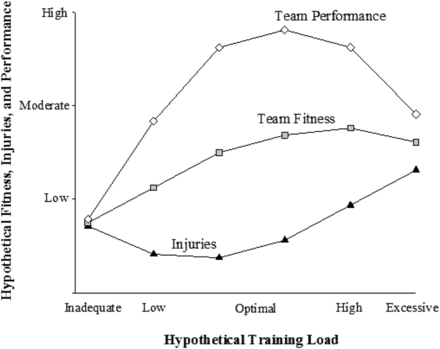
There is dogma that higher training load causes higher injury rates. However, there is also evidence that training has a protective effect against injury. For example, team sport athletes who performed more than 18 weeks of training before sustaining their initial injuries were at reduced risk of sustaining a subsequent injury, while high chronic workloads have been shown to decrease the risk of injury.
Read more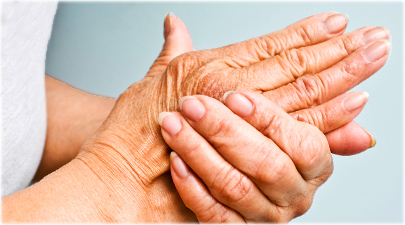
Opening jars, hanging out washing, or even getting out of your chair. When you’ve got arthritis, simple activities like these can be painful or even impossible.
Check out informative great article by: ABC Health & Wellbeing – Nicola Garrett
Read more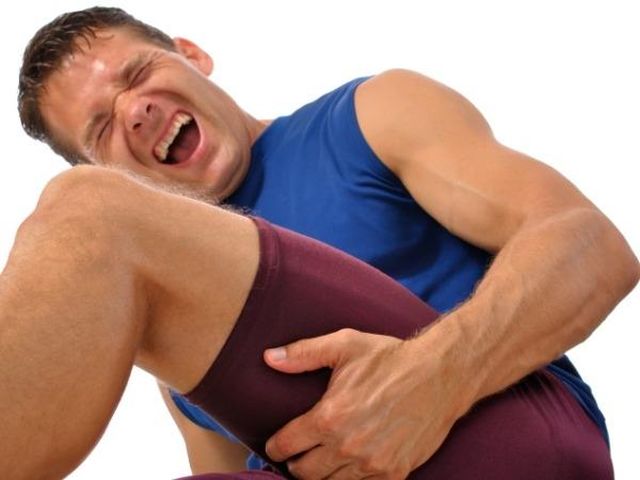
Download the full PDF for your reference : Cramping – Nutrition Fact Sheet 2015
Muscle cramps are painful, sustained involuntary contractions of the muscles that can occur in many people, including both athletes & non-athletes, young & old, during pregnancy & as a consequence of specific medical conditions or medications used in their treatment.
Read more
Jonathan has just returned from spending 8 days in residence at the Australian Institute of Sport in Canberra attending the Australian Physiotherapy Association’s level 3 Sports Physiotherapy Course.
Read more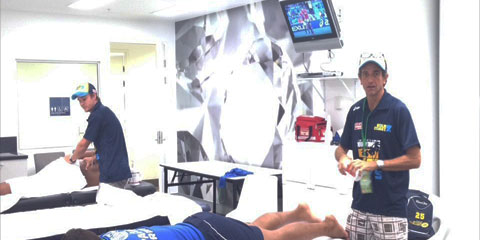
Firstly, looking forward we would like to mention Rugby 7’s is now an Olympic Sport commencing in Rio 2016.
Noosa Physio provided Sports Pyhsiotherapy for two recent Rugby 7’s events.
Read more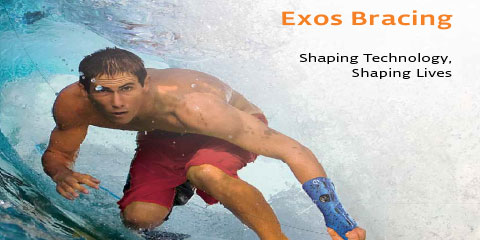
Noosa Physio is now supplying and fitting the very latest in EXOS waterproof braces that replace plaster casts or fibreglass casts.
Read more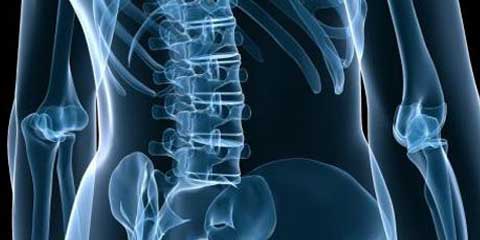
Loads placed on your discs during various routine activities.
Loads may vary – but this is a good indicative guide.
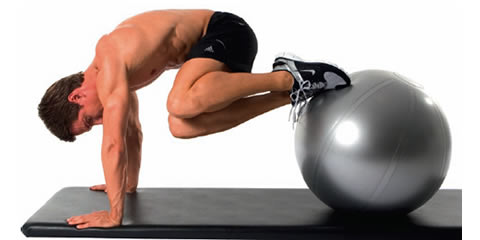
Pilates WORKSHOP for Men.
Think Pilates is just for women? Working on a personal best at the gym? Come along to this workshop to discover the benefits of Pilates for men. Pilates will help you strengthen and lengthen your muscles as well as improving your core stability. Although it is not a cardiovascular form of exercise, it is excellent for the heart and provides the perfect complement to any exercise regime. It also has the added benefit of reducing stress and relaxing the mind and body. So, grab a friend for support and come along for a challenging workout!
Read more